Egypt welcomes large numbers of business visitors every year, and most trips are productive and uneventful. Good planning keeps it that way. This checklist is written for executives, travel managers and the colleagues who host international visitors, and focuses on the practical steps that prevent problems rather than on worst-case scenarios.
Entry requirements, travel advice and local regulations change. Always check current official guidance from your government and from Egyptian authorities before travel.
Before departure
- Share a complete itinerary with your host and your company’s travel or security team
- Confirm visa or entry requirements for your nationality
- Check your company’s travel risk policy and insurance, including medical evacuation cover
- Save local emergency numbers and your host’s contacts offline
- Carry a copy of your passport separately from the original
- Agree who will meet you at the airport and how you will recognise them
Arrival at Cairo International Airport
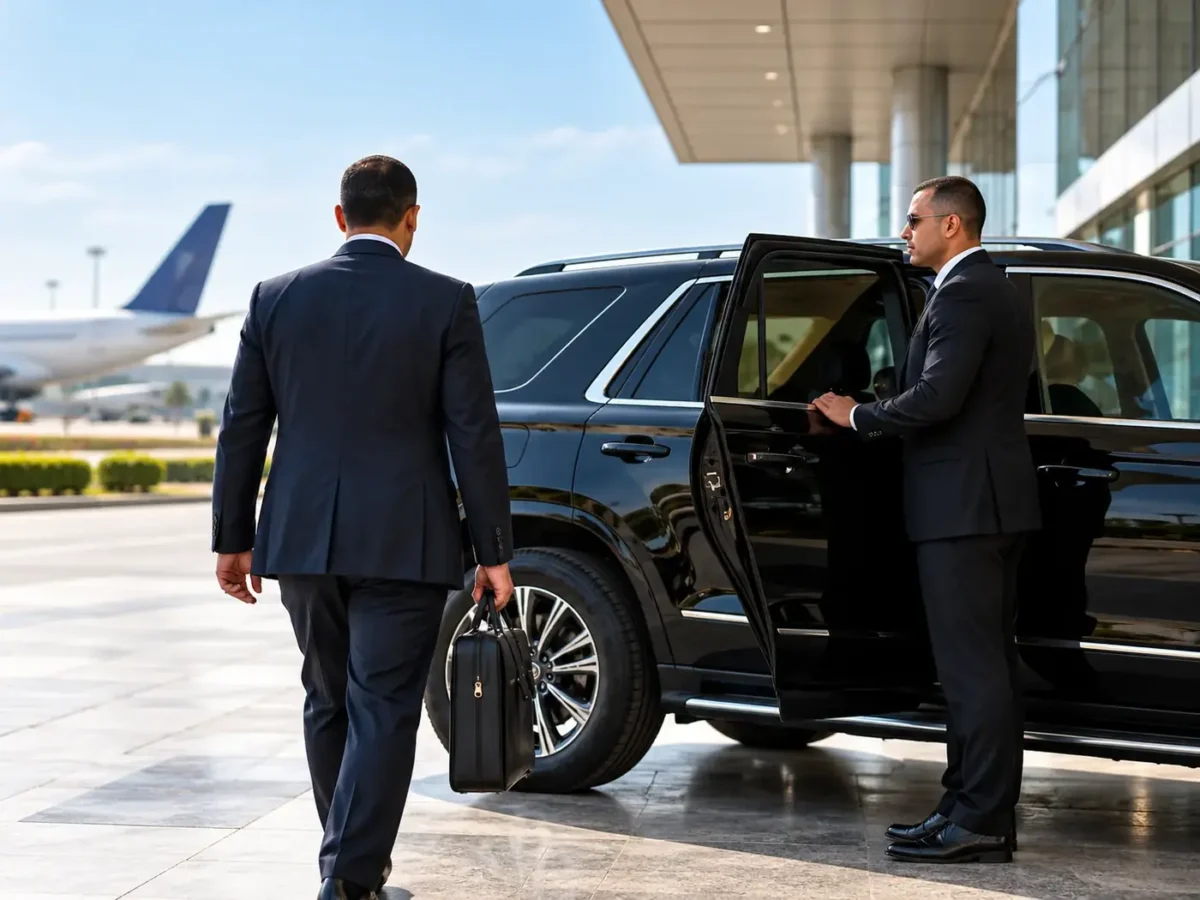
Arrival is the point when travellers are tired, carrying luggage and unfamiliar with their surroundings. Arrange a confirmed pickup in advance. A professional meet-and-greet representative should hold a sign that does not display your full name and company in public, confirm your identity discreetly and walk you to a waiting vehicle. Avoid accepting unsolicited offers of transport in the arrivals hall.
Hotels
- Choose reputable hotels with good security procedures and controlled access
- Prefer rooms that are not on the ground floor and are close to, but not next to, emergency exits
- Know the evacuation route from your room
- Use the room safe for passports and valuables, and keep laptops locked when unattended
- Be careful about discussing business in public areas of the hotel
Road travel
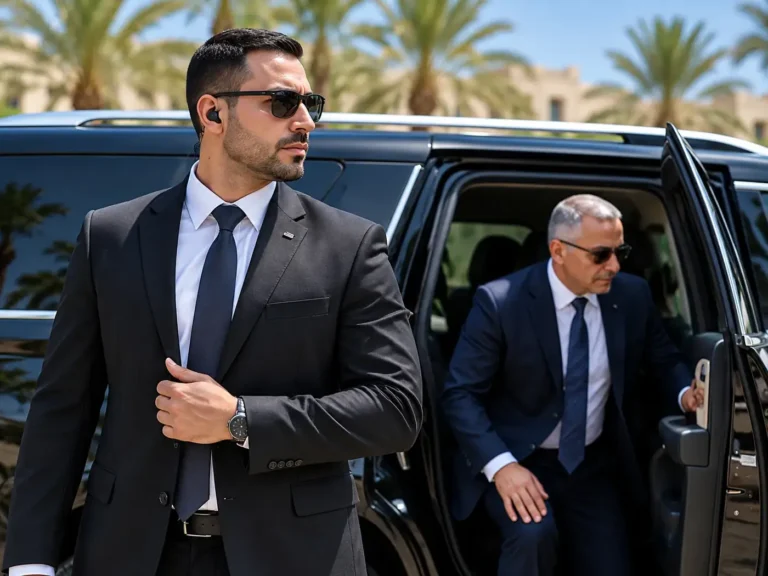
Traffic is the most common source of delay and risk for visitors to Cairo. Use a reliable company-arranged vehicle with a professional driver who knows the routes. Allow generous time between meetings, keep doors locked in traffic and keep valuables out of sight. For senior executives, a security-trained driver adds route planning and the ability to respond calmly to incidents.
Meetings and public places
- Keep a low profile: avoid branded clothing and loud discussion of deals
- Share your movements only with people who need to know
- Be careful with public Wi-Fi; use your company’s secure connection
- Respect local customs, dress codes and photography restrictions, especially near government or military sites
Health and emergencies
Know the nearest hospital with an emergency department to your hotel and main meeting locations. Carry any regular medication in your hand luggage with a copy of the prescription. Drink bottled water if you are unsure, and protect yourself from the sun in summer. Make sure someone in your organisation knows how to reach you, and how you would reach them, if phones or the internet are disrupted.
For hosts: a duty-of-care checklist
- Confirm the visitor’s itinerary and emergency contacts
- Arrange airport pickup and all ground transport
- Brief the visitor on local customs and practical arrangements
- Assign a local contact available at all times
- Have a plan for medical emergencies and unexpected disruption
Magnum supports business visitors with secure airport arrivals, secure transportation and executive protection. For standard corporate travel, Magnum Corporate Services provides airport meet and greet and executive transport.
Frequently asked questions
Is it safe to travel to Egypt on business?
Most business trips are uneventful when properly planned. Check your government’s current travel advice, follow your company’s travel policy and arrange reliable transport and accommodation in advance.
Should I book airport pickup in advance in Cairo?
Yes. A confirmed pickup with a professional representative avoids the stress of arranging transport on arrival and reduces exposure in the arrivals hall.
When does a business traveller need a security driver?
Senior executives, high-profile visitors and teams with complex itineraries benefit most from a security-trained driver who plans routes and responds calmly to incidents.